
Gentle Chiropractic Adjustments with
Drop Table Technique!
How You May Benefit From Drop Table Technique:
- Relieve pain and discomfort in the spine and joints
- Reduce muscle tension and stiffness for easier movement
- Improve spinal alignment without twisting or cracking
- Enhance joint mobility and range of motion
- Increase strength and support overall physical performance
- Promote better posture and balance
- Support nervous system function for improved body coordination
- Build greater resistance to future injuries
- Improve flexibility and tissue resilience
- Enhance tolerance to daily physical and mental stress
What Can Drop Table Technique Treat?
The "drop technique" is a chiropractic method known as the "drop table technique" or "drop piece technique," introduced in the 1950s by Dr. J. Clay Thompson.
The drop table technique provides a controlled and precise adjustment while minimizing the force applied to the patient's body. It can be suitable for individuals who prefer a gentler approachto chiropractic care, especially those uncomfortable with traditional manual adjustments. Like manual chiropractic adjustments, this technique can help the following:
What Our Patients Are Saying

I went to see Dr Kubler for help with pain in both knees. After reviewing my xrays, it was discovered I had a lateral spine issue causing my pain. Dr Kubler mapped out a plan to correct my spine and reduce my pain with adjustments, decompression and exercise. Dr Kubler helped me get back to enjoying life.
Terry D.
Sacramento, California
I cannot recommend Dr. Nick Kubler enough. When I first went to see him, I was literally doubled over with severe back pain that had started affecting my mobility and my daily life—especially as a parent to an active 8-year-old. I have been working with Dr. from last year, and his approach throughout my recovery was incredibly thoughtful and methodical. From the very beginning, he took the time to clearly explain what was causing the pain, what the recovery process could realistically look like, and how each step of the treatment would help. He always kept expectations realistic while also showing measurable progress during each session, which was very motivating. What really stood out was that he didn’t just focus on treating the pain in the moment. He invested time in teaching me exercises and mobility practices that I could do on my own to strengthen my back and support long-term recovery. Dr. Kubler also takes the time to know his patients beyond just the appointment. He showed genuine interest in understanding my lifestyle and my family, and helped me make small but meaningful changes that supported not just recovery, but maintaining a healthy back long term. If you’re looking for a chiropractor who is deeply knowledgeable, patient-focused, and committed to helping you recover and stay healthy, I highly recommend Dr. Nick Kubler.
Prabalika G.
Sacramento, California
I have been a patient of Dr. Kubler’s for three years now. I have chronic pain due to scoliosis and degenerative discs. I’ve had multiple surgeries to my back for ruptured discs. With regular adjustments and spinal decompression treatment, Dr. Kubler has truly helped change my life. My pain substantially decreased under his care and I found myself enjoying hobbies that I had stopped due to my constant pain. He also helped take care of me through my pregnancy helping to relieve the low back, sciatic nerve, and round ligament pains I experienced during my second and third trimesters and postpartum.
Dr. Kubler really listens and adapts his techniques to better serve his patients. His desire for knowledge and to help are palpable in every interaction. I cannot say enough good things about Dr. Kubler and how he has helped me and my family.
Megan A.
Sacramento, California
Dr. Kubler Deserves to be recognized as the gold Standard of care. I have been lucky enough to be under his care for 2 years and will continue to choose his practice. He’s able to listen to my symptoms of what my body is saying and what I am saying. Im able to understand the why behind what he is doing. I have recommended him and will continue to recommend him to my friends, family, and colleagues.
Mike O.
Sacramento, California
Dr Kubler is hands down the best chiropractor I have ever received care from. He is compassionate and an excellent listener. He is extremely knowledgeable in his field, has a curiosity to keep learning, and a drive to be the best he can be for his patients. I will forever be grateful for the pain free life he has helped me to achieve!
Rachel F.
Sacramento, California
Dr. Kubler is fantastic! As a new patient who has struggled with scoliosis for many years and hasn’t found real relief until coming to Dr. Kubler, I was a little nervous to get adjusted—but I felt truly cared for from the start. He was very attentive, explained everything clearly, and my adjustment brought real relief. He’s incredibly knowledgeable, professional, and genuinely cares about his patients’ well-being. I highly recommend him to anyone looking for a skilled and trustworthy chiropractor!
Julia S.
Sacramento, California
*Disclaimer: Results are not guaranteed and may vary.
How Drop Table Technique Works
Drop Technique is a low-force technique in which you will lie face down on the specially designed chiropractic table with different segments that can be elevated and then dropped. This dropping action provides a rapid but gentle adjustment force to guide the bones of your spine into the correct position and help relieve pressure on the spine's nerves.
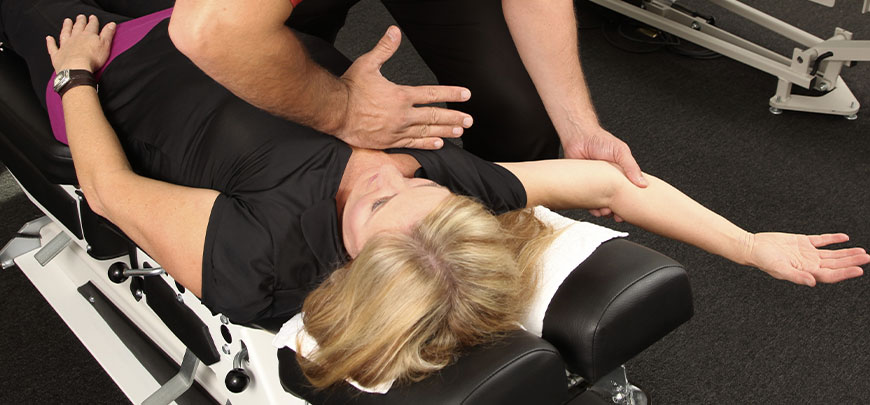
The treatment varies from patient to patient as some may notice a change after the first adjustment, while some may have to take several sessions for improvements.
If you have pain related to the spine, the Drop Technique may help you. You may contact Capital Chiropractic at (916) 634-0123 to learn more about the technique.
Drop Table Technique Clinical FAQs
The table sections drop a fraction of an inch just as adjustment force is applied, reducing the force needed from the chiropractor. This creates a gentle yet effective joint mobilization that many patients prefer at Capital Chiropractic in Sacramento.
We use pelvic drops for lumbar adjustments, thoracic drops for mid-back, and cervical drops for neck issues. Each section can be tension-adjusted based on patient size and condition requirements.
Seniors, pregnant patients, those with acute pain, and individuals apprehensive about traditional adjustments often prefer this method. The reduced force makes it suitable for fragile or sensitive conditions.
The dropping action allows more specific joint focus with less generalized force. This can improve accuracy when addressing individual spinal segments without affecting adjacent areas unnecessarily.
Beyond standard chiropractic training, chiropractors learn specific patient positioning, table tension settings, and force vector combinations. Mastery involves coordinating hand placement with table drop timing.
We adjust spring tension based on patient weight, muscle tone, and condition acuity. Lighter settings for delicate patients, firmer for athletic builds—all calibrated during initial assessment at our Sacramento chiropractic clinic.
Pelvic imbalances, sacroiliac joint dysfunction, and conditions requiring gentle repetitive mobilization often show good response. The method's adaptability makes it useful for various joint stability issues.
We frequently combine it with complementary soft tissue work, therapeutic exercises, and lifestyle recommendations. The table serves as one component of comprehensive care plans addressing multiple aspects of musculoskeletal health.
Capital Chiropractic. ©2026 Demand Boost, Inc. — Chiropractic Marketing